Real Time Reading, Uncategorized

Shadow of Night – Real-Time Reading – 5-6 December – Chapter 11

Annie Spratt

Hello, dear ones. Because this chapter contains SO MUCH PLOT, there aren’t too many Easter eggs for us to play with during the Real-Time Reading. Accordingly, enjoy this short entry and then re-read this phenomenal chapter to catch up with Matthew and Diana before THE WEDDING. You know you want to. 

Don’t consider painful what’s good for you,” Matthew muttered.

“I never should have taught you Greek — or English either. Your knowledge of them has caused me no end of trouble,” Philippe replied, unperturbed.

Throughout the early part of the hay barn episode, Matthew and Philippe trade quotes attributed to Euripedes — the great Greek tragedian, author of MedeaThe Trojan WomenHeracles, etc. Along with Aeschylus and Sophocles, his plays constitute the foundation of a classical education. Euripedes was famous for both his pragmatic approach to divine characters and his tendency to paint mythic heroes and heroines as ordinary, flawed human beings

Try as I might, I couldn’t find a solid attribution for two of the three quotes (“Don’t consider painful what’s good for you” and “those whom the gods wish to destroy, they first make mad”). They’re both attributed to Euripedes, but there’s nothing like them in the surviving texts of his plays and the internet let me down rather spectacularly when it came to trying to find them in their original form. If we have classicist Clovers with a penchant for Greek tragedy who can help me out, I’d be in their debt.
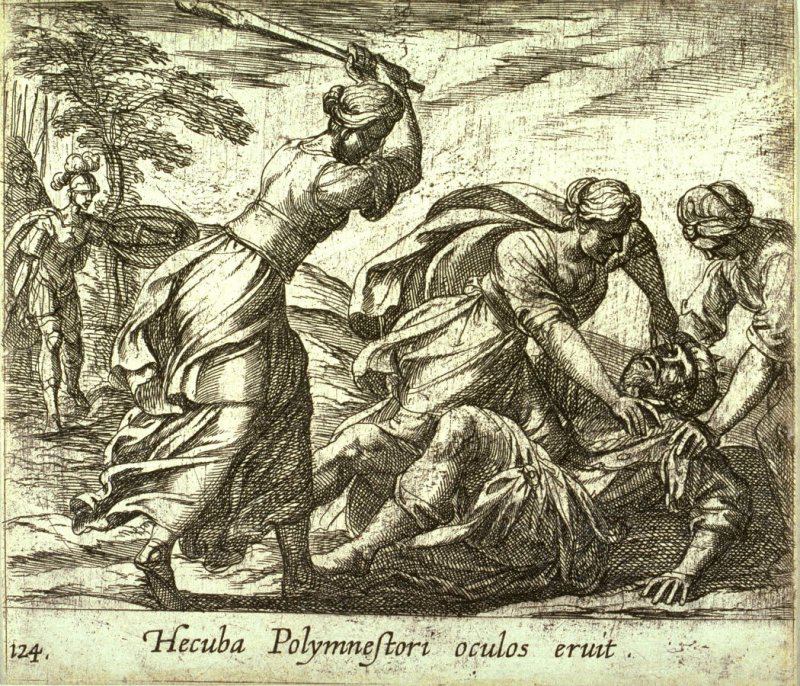
Hecuba blinding Polymestor.

The last quote — “Neither earth nor ocean produces a creature as savage and monstrous as woman” — comes from the play Hecuba, which tells the tale of the Trojan queen after the end of the war with the Greeks. In the play, Hecuba vows to avenge the murder of her children, Polyxena and Polydorus. She takes her revenge by murdering the children of King Polymestor, who was to protect Polydorus, and by stabbing Polymestor himself in the eyes. 

Hecuba, like most of Euripedes other work, is exactly no fun. Described as a story of “unmitigated hopelessness,” the story ends as it began — with anguish, bloodshed, mourning, and cursing the gods who predestined such terrible fates for mortals. 

Matthew is in a blood rage. We manjasang are closer to nature than other creatures — pure predators, no matter how many languages we speak or what clothes we wear. This is the wolf in him trying to free himself so that he can kill.

In the Real-Time Reading Companion, Deb writes that the song she has in mind for this moment is Damien Rice’s Volcano.” 

Philippe’s thumb returned to the place where he began, and he made a mirror image of the mark on the other side, finishing between my brows. My witch’s third eye tingled with the cool sensation of vampire blood. 

Amazingly, I don’t think we covered the third eye in our RTR of A Discovery of Witches. In some spiritual traditions, the third eye refers to the ajna or brow chakra. Associated with religious visions and out-of-body experiences, the third eye is associated with heightened consciousness and intuition. Should you be interested in experimenting with yours, the White Witch Parlor offers Ten Ways to Activate Your Third Eye. Let me know how it goes, will you?

The next day was the Feast of St. Nicholas, and the sun shone on the snow.

December 6 is the feast day of St. Nicholas of Myra, a Turkish saint whose legend transformed over the centuries into the myth of Santa Claus. December 6 marks the beginning of Advent, the period of the Catholic liturgical year leading up to the celebration of Christmas on December 25. 
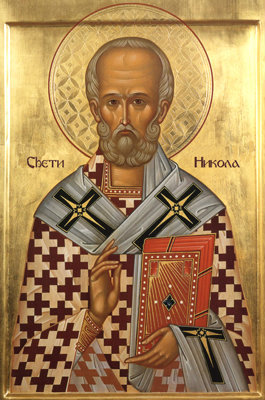
Saint Nicholas Icon, Serbia

Saint Nicholas (or Nicholas of Bari) is the patron saint of sailors, merchants, archers, repentant thieves, children, pawnbrokers, and students in Europe. He is also the patron saint of  Russia and Greece and figures prominently in Eastern Orthodox Christianity. After Nicholas died, Italian merchants stole his bones and moved his relics from Myra, Turkey, to Bari, Italy. He is celebrated and remembered as a bringer of gifts, particularly to children. In the Netherlands, St. Nicholas is called Sinterklaas — a benevolent saint who fills the shoes of good children with sweets on his feast day. The Dutch brought Sinterklaas to New Amsterdam in the 1700s, where he became Santa Claus. The association between Saint Nicholas and the Christmas holiday did not begin until well into the 19th century. 

Saint Nicholas Day celebrations vary widely from country to country. In Holland, people still put out shoes to receive small gifts and candies. In France, people may enjoy a traditional meal of pork, mustard, and apples. In Eastern Europe, Saint Nicholas is often accompanied by the Krampus, a half-man, half-goat figure who punishes children who misbehave. 

If you’re curious, the whole down-the-chimney-with-gifts bit comes from Saint Nicholas’s legendary generosity — he allegedly threw money down a chimney in a stocking for a poor man who could not supply the dowry for his three daughters. 

The air felt full, tingling with an almost electrical current. I half expected to hear a rumble of thunder, the atmosphere was so thick. Peter Knox had been mentally invasive, and Satu had inflicted great pain at La Pierre, but this witch was different and somehow more dangerous

In the Real-Time Reading Companion, Deb offers “The Wizard” by Bat for Lashes as the soundtrack to this scene.

We’ll pick up with Chapter 12 on 8 December and attend our favorite wedding.

If you have thoughts or feelings on the Real-Time Reading, please feel free to e-mail us at chamomileandclovecast@gmail.com, or follow us on Twitter @chamomilenclove. You can also find like-minded Clovers on our Facebook group, the Chamomile & Clove Clovers. See you at the wedding!

xox

Cait and Jen
Podcast, Uncategorized

Episode 33 – Woof

Rodrigo Ardhilha

Happy Sunday!

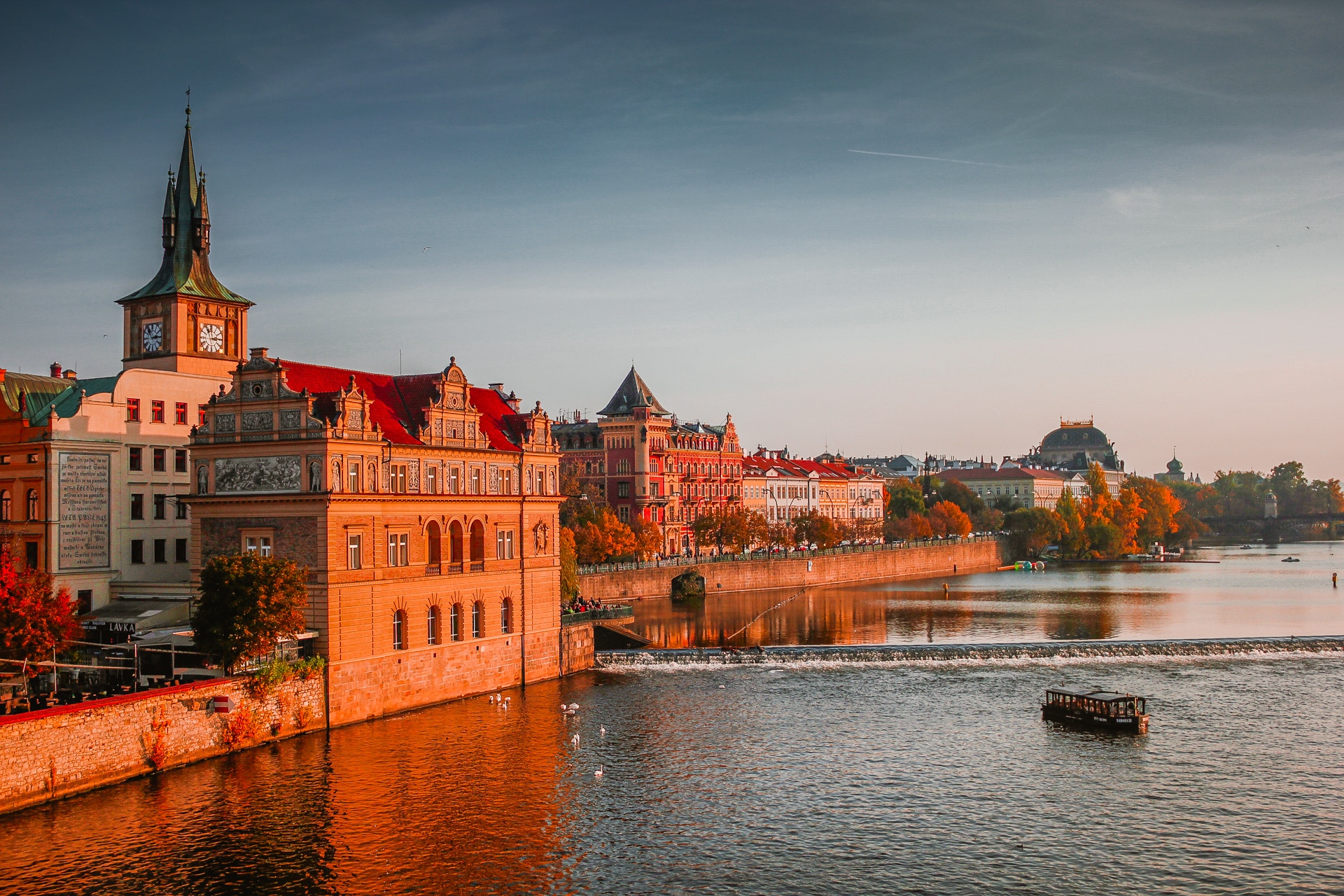
In this episode, we talk about Chapters 29-30 of Shadow of Night while meeting new characters (Rabbi Loew! Lobero!) and er, tolerating our favorites (CHRIST, MATTHEW). There’s talk about intimacy, literary craft, and a healthy dose of pop culture C&C bingo to get us through Prague. Enjoy!

Download the episode here.

xoxo,

Cait and Jen 

Real Time Reading, Uncategorized

Shadow of Night Real-Time Reading – 28 November-3 December – Chapter 10

unsplash-logoSamuel Zeller

“Your father is treating me like a woman of the time. I’ll manage, Matthew.” 

Ah, look. We’re back to gender politics in Shadow of Night. Surprise, surprise. 

Now’s as good a time as any to talk about what I mean by “gender politics” when we talk about it on the podcast or when I talk about reading gender in the All Souls Trilogy. Gender has an enormous influence on our lives. We see, understand, express, and experience gender in a thousand different ways — how we talk, how we dress, how we move, how we see and understand ourselves in comparison to how other people express gender. Gender impacts the way that we navigate the world — how we expect to be treated, how we understand events that happen to us, how we approach risk, how we perceive the boundaries of good/bad/acceptable/appropriate behavior. From birth, we’re assigned a gender and many of us are raised in conformity with that gender assignment.

Fundamentally, when we talk about “what men do” and “what women do” or what’s acceptable for them, we’re talking about power. Talking about power — how we use it, what we do with it, how it shapes the world we live in — is talking about politics. The question of gender politics in literature asks how we portray characters as “masculine” and “feminine,” how much agency or power we give them, how gender determines their importance or power in the text, how characters are marginalized, exploited, emphasized, or celebrated based on gendered expressions of power, etc. This is complicated enough when you’re reading a contemporary text set in a contemporary time period. It’s even more complicated when you’re reading a contemporary text set in a historical time period where contemporary ideas about gender interact with “historical” ideas about gender, or at least historical ideas about gender as the author portrays them.

The quotation marks around the word “historical” aren’t mocking, and they aren’t judgmental. It’s a way of noting that, in writing, we choose every word. We have the power to construct a world how we see it. No work of human creation will ever actually capture history, so we have to be mindful of the fact that when you write, you choose to emphasize, de-emphasize, construct, or otherwise incorporate certain ideas as you do it. Accordingly, the “historical” ideas about gender in Shadow of Night are certainly based partially in “history,” but they’re also based in the story we’re telling and the way that characters interact based on gender is constructed.  

Okay. Back to Philippe and Diana. Since the 1970s and the emergence of the feminist movement in the humanities, students of women’s history (like Joan Kelly-Gidol) have questioned whether the “periodization” of history (“the Middle Ages,” “the Enlightenment,” “the Industrial Revolution”) actually reflects the experience of all people — women, people of color, etc. — or only the experience of European men of a certain socio-economic background. See, for example, J. Kelly-Gidol, Did Women Have a Renaissance?. The point being that a European woman’s role changed very little between the “dark” Middle Ages and the “enlightened” and “artistic” Renaissance. European women had no political or financial independence; they remained dependent on men for financial and social status and remained largely at home. Politically, women had only one card to play — they could be married into other families for strategic reasons. Once married, they were required to maintain their husband’s household. Renaissance women had no sexual freedom; their “honor” belonged first to their father and then to their husband because the legitimacy of heirs remained a dominant concern of the ruling classes.

Alessandro Alessori, Portrait of a Lady (c. 1590)

But this is only part of the story, as the Renaissance also produced incredible and notable female leaders, artists, writers, and scientists. In the last few decades, there has been an emergence of scholarship dedicated to exploring the role of women during the Renaissance. Would you care to guess what the literature has to do with Philippe and Diana? There’s a lot of great scholarship on the role of Renaissance women in… the history of science and medicine. No surprise, since the history of science is Deb’s specialty. If you haven’t already, you should check out her book on science in Elizabethan London — The Jewel House. Scholarship in the sciences and medicine recognizes that occult practices — potions, herbal remedies, alchemy, and astrology — contributed to the development of the scientific method and expanded our understanding of the natural world.

For me, this chapter has always had special meaning in terms of Diana’s development — she’s taking initiative, she’s problem-solving, she’s engaging with and participating in the culture around her rather than remaining passive. With a little bit of background reading, I think it’s also possible to tease out additional themes — the theme of subverting the dominant power structure, the layered conflict of gender and power in the Harknessian version of the Renaissance, the theme of challenging the assumptions that you make and the questions that you ask. Here, I think the reference to “women of the time” is a bit sly — we assume that women in the Renaissance were decorative housekeepers (I’m being deliberately glib, so hold your horses) with little autonomy, but the truth is more complicated than that. You just have to look a bit more closely.

For additional reading, check out:

Findlen, Paula. Possessing Nature: Museums, Collecting, and Scientific Culture in Early Modern Italy.

Nochlin, Linda. Women, Art, and Power.

Parks, Katharine. Secrets of Women: Gender, Generation, and the Origins of Human Dissection.

Rankin, Alisha. Panaceia’s Daughters: Noblewomen as Healers in Early Modern Europe.

Schiebinger, Londa. Nature’s Body: Gender in the Making of Modern Science.

Thorndike, Lynn. A History of Magic and Experimental Science.

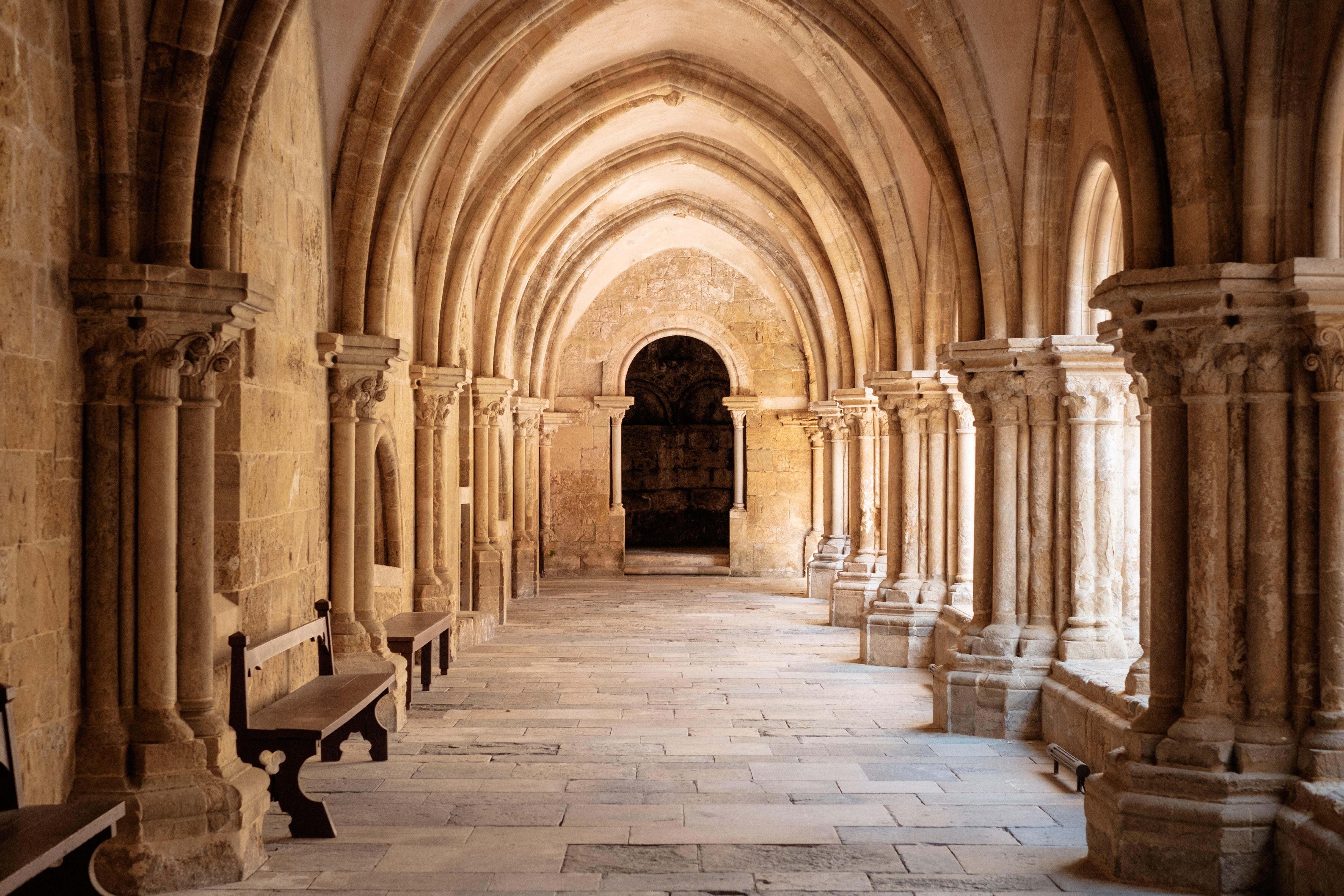
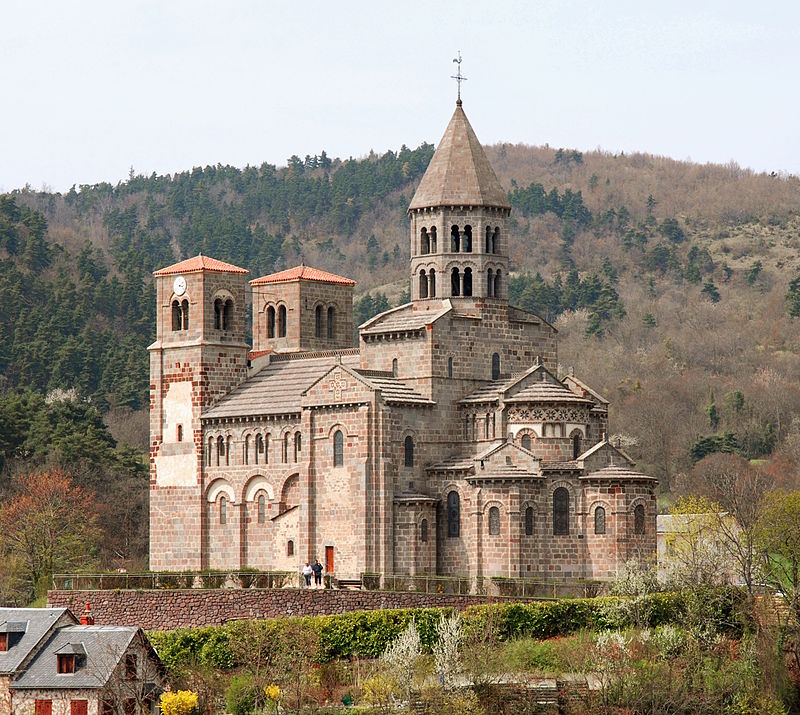
It was the first time I’d been in this church, and I looked around with curiosity. Like many religious buildings in this part of France, Saint-Lucien’s house of worship was already ancient in 1590.

As we discussed in A Discovery of Witches, the Auvergne is in the south of France. Named for the Arverni, a Gallic tribe who occupied the area at the time of the Roman conquest. It remained part of the Angevin Empire until the 13th century, when it reverted to the royal domain in the reign of Louis IX. 

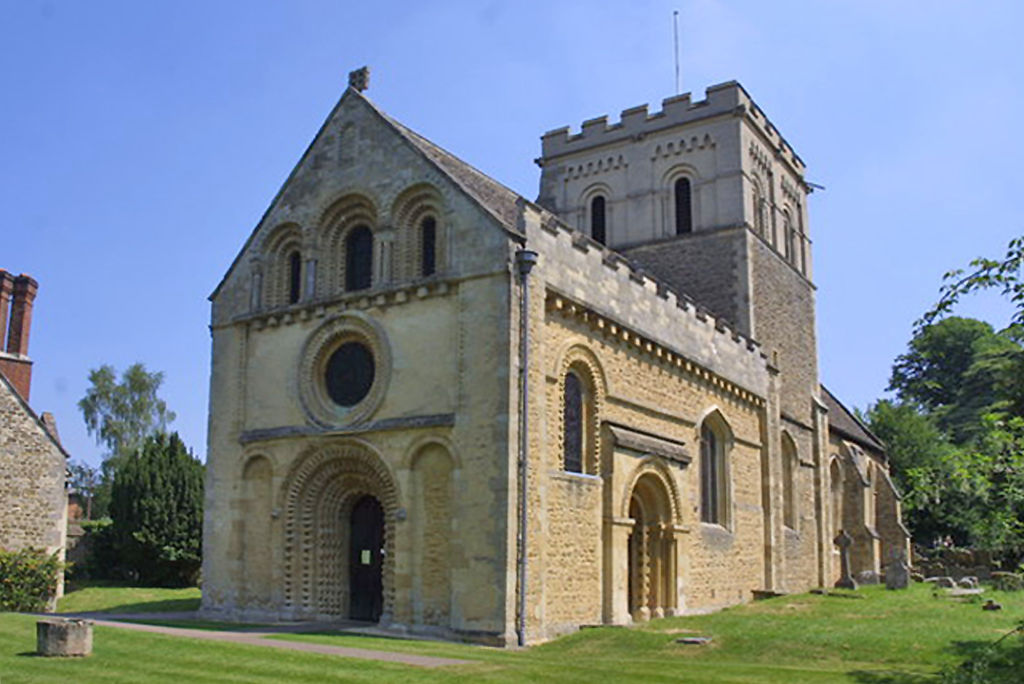
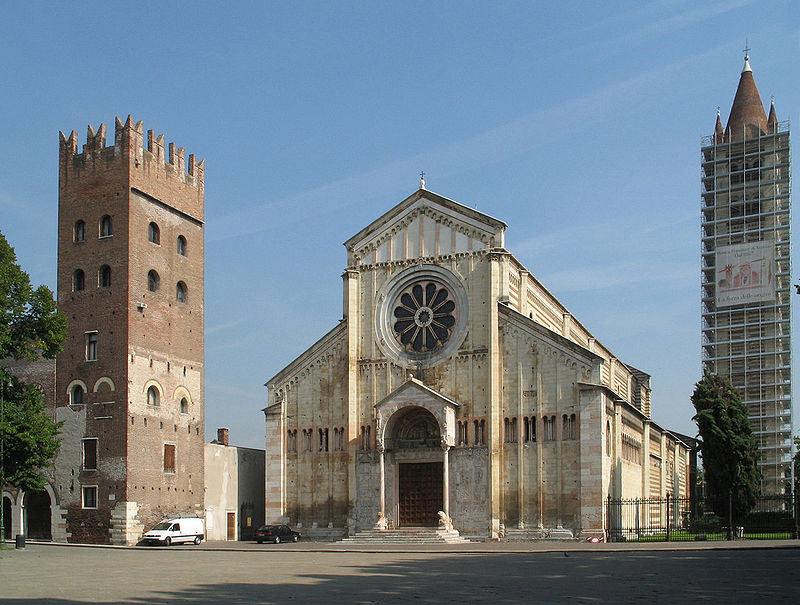
The Auvergne has a rich religious history — it is home to a series of famous Romanesque churches like the one described in Saint-Lucien and served as the site of the Council of Clermont that led to the First Crusade in 1095. Romanesque architecture is characterized by semi-circular arches. The arches derive from the Roman style; after the fall of the Roman Empire, architects and builders lost many of the techniques required to build large vaulted spaces and domes, but the rounded arches survived. The Romanesque style is one of the first architectural styles to span all of Western Europe — you can find diverse examples of the style from Italy to Poland to Scotland and Spain. 

Jaca Cathedral, Spain

In the Real-Time Reading Companion, Deb reveals that the inspiration for Matthew’s church is the church of Sant’Apollinare in Classe, Ravenna, Italy. 

Sant’Appollinare is “the most impressive Basilica of the Early Christian period.” Constructed in the 6th century, Sant’Apollinare is dedicated to the patron saint of Ravenna and was consecrated in 549. The most notable feature of the church is its rich collection of mosaics, which range from the 6th to 12th centuries. If you’re interested in a video tour of the mosaics, you can find one here. 

High above there was a beating of wings. A dove had flown through the clerestory windows and lost its way among the exposed roof beams. It struggled, freed itself, and swooped down into the church. 

The dove is a powerful symbol in many traditions. In Christianity, the dove symbolizes peace and the Holy Spirit (Matthew 3:16, Luke 3:22). In early Christian art, doves appeared as funerary symbols representing the eternal peace of the soul returned to heaven. In Judaism, the dove is a symbol of the people of Israel and a sign of life following the flood. In classical mythology, doves are associated with Aphrodite and may be considered as symbols of love.  In the text of Shadow of Night, the dove may symbolize redemption, or hope, or the promise of renewed faith. We discussed the dove and the church extensively in Episode 24, The Trauma Express. The Daemons discussed Chapter 10 of Shadow of Night in Take 34! The One With the Baggage. 

We’ll see you next on 5 December, when we have to see to some things in a certain hay barn. 

Do you have questions, comments, or thoughts about the Real-Time Reading? You can e-mail us at chamomileandclovecast@gmail.com, follow us on Twitter @chamomilenclove, or find us in our Facebook group, the Chamomile & Clove Clovers. We can’t wait to hear from you. 

xox,

Cait and Jen

Podcast, Uncategorized

Episode 32 – Sexe Hexe

Jay Dantinne

Happy Sunday, Clover! We hope you’re headed into a week of quality time with your friends and loved ones. If you’ve a long drive planned, we’ve got you covered with this week’s episode. 

This week, we dive straight into Section IV of Shadow of Night and discuss the wonders of Prague, Rudolf’s naughty closet, hose before bros, and why everyone carries a torch for Gallowglass.  We hope you have as much fun as we did — stay tuned for the outtake after the end music. We might have gone a bit off the rails while recording — it happens. 

Download the episode here. 

We’re so grateful to have you as listeners and friends. If you’d like to join our Facebook group, please find us — the Chamomile & Clove Clovers. You’re also welcome to follow us on Twitter @chamomilenclove or shoot us an e-mail at chamomileandclovecast@gmail.com. 

Happy Thanksgiving!

xo,

Cait and Jen 

Podcast

Episode 26 – No Snek, No Bee

nathan-dumlao-553945-unsplash

In this episode, we cover chapters 15-17 of Shadow of Night. Cait and Jen travel back to England with Diana and Matthew at the beginning of Section III, where hijinks of snakes, bees, and pregnancy ensue. Join the conversation in our Facebook group, the Chamomile & Clove Clovers, or e-mail us at chamomileandclovecast@gmail.com.

Download the episode here.

Thank you for listening!

xoxo

Jen and Cait

P.S. Snek

x2NZjWci0YgACvMfNqsyCVZS5tHQZvmezYIkx_lPYQQ